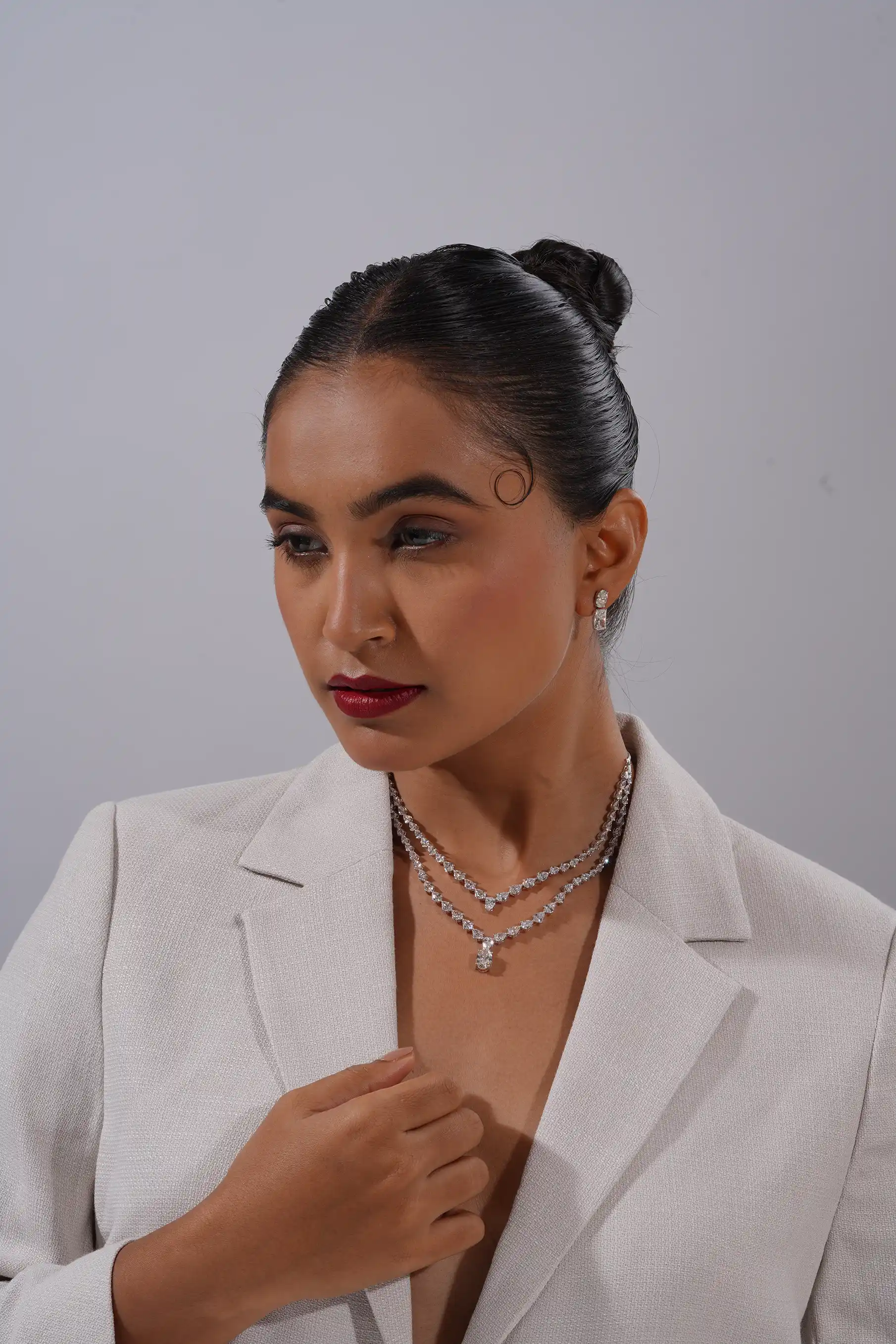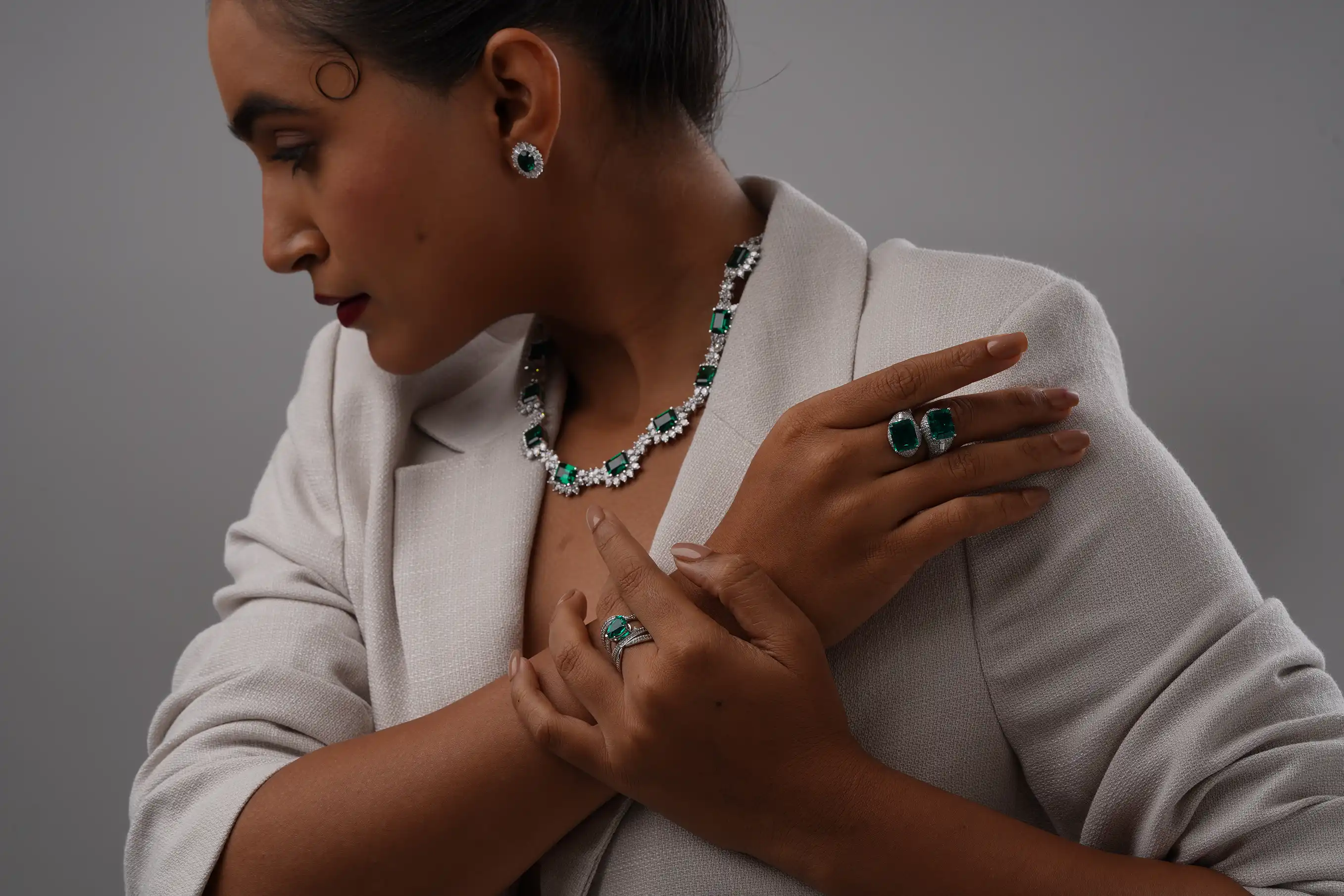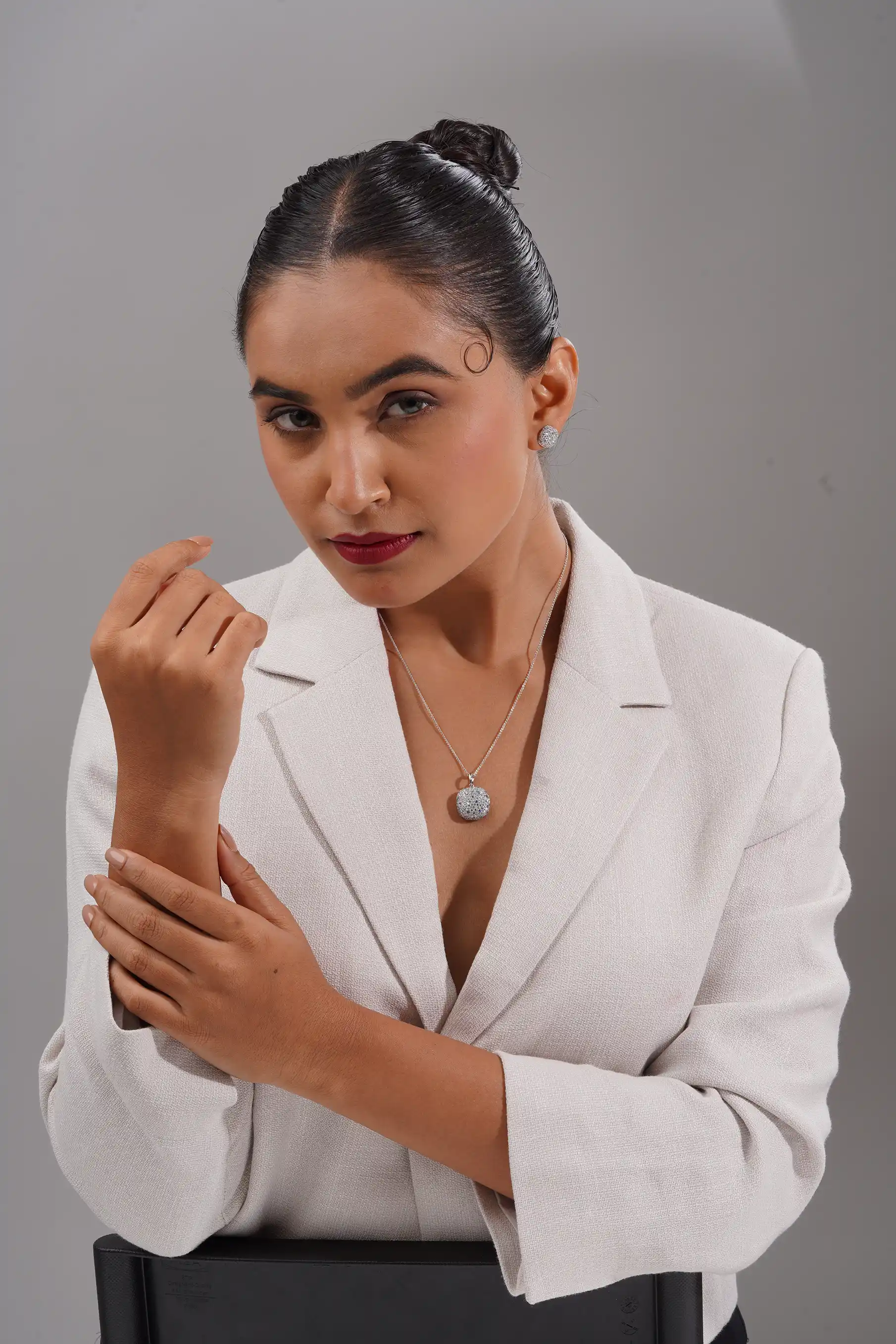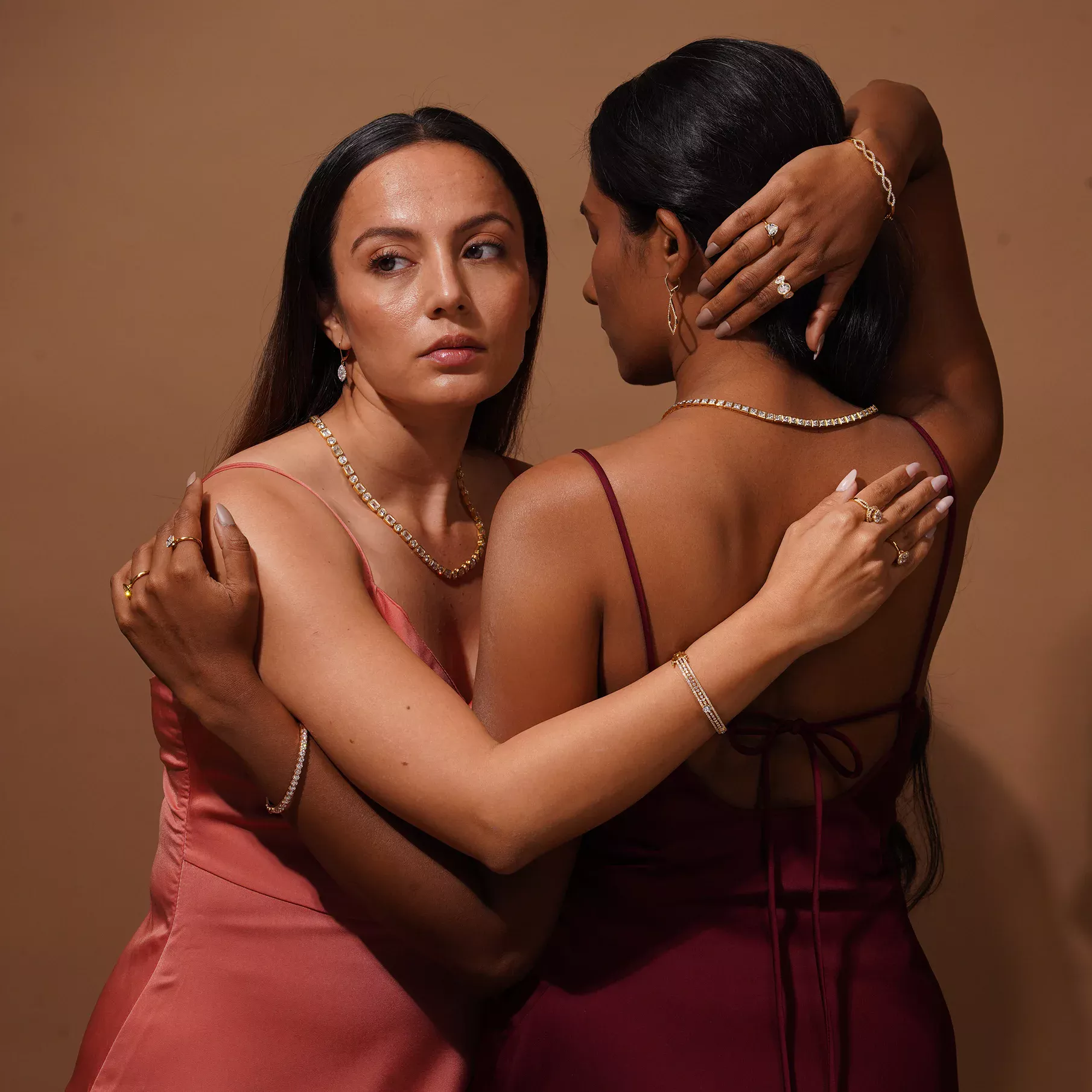
Why Ahmedabad Is Quietly Becoming India's Smartest City to Buy Lab-Grown Diamond Jewellery
Long before "lab-grown" was a buzzword, Gujarat was already the place the world sent its diamonds. Here's why that legacy — not just the price tag — is the real reason to buy your next piece in Ahmedabad.
Most people discover lab-grown diamonds the same way: a friend mentions it, or an ad promises "the same diamond, half the price." What most buyers don't realise is that the state they're often buying from — Gujarat — has been the world's diamond workshop for over sixty years, long before any lab grew its first stone. That legacy changes what "buying local" actually means when it comes to lab-grown diamond jewellery in Ahmedabad, Gujarat, and increasingly, all of India.
This isn't another list of "top lab-grown diamond brands." It's a look at why the region you're buying from matters just as much as the diamond itself — and what that means for your budget, your certificate, and the piece you'll actually end up wearing.
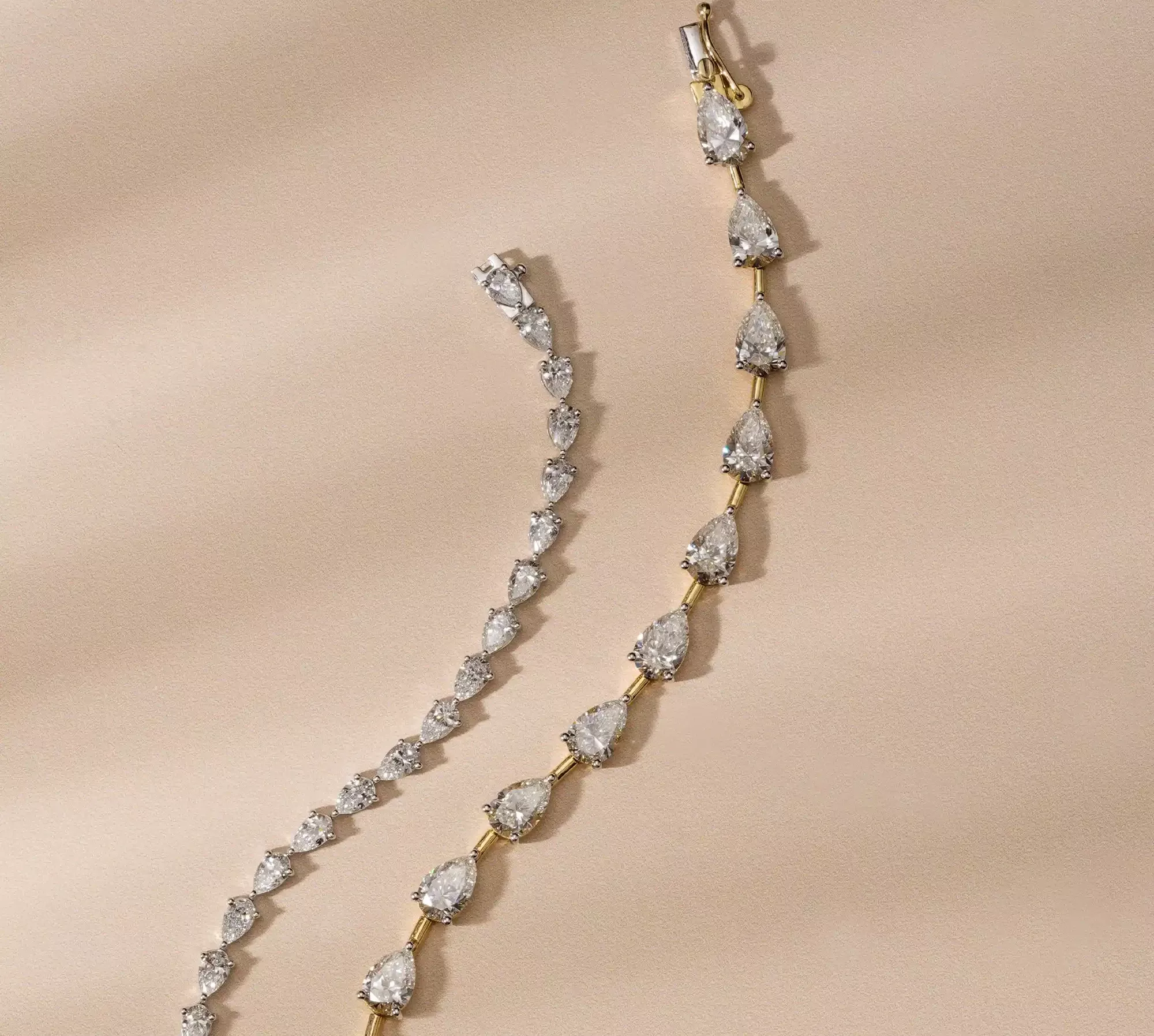
The 90% Secret Most Diamond Buyers Don't Know
Somewhere between 80 and 90 percent of the world's diamonds pass through Gujarat before reaching a store shelf — not Antwerp, not New York. The story traces back to the Second World War, when the Japanese invasion of Rangoon (then the centre of diamond cutting) sent artisans fleeing back to their hometowns in Surat and Navsari. Over the following decades, family-run workshops scaled into a global manufacturing hub, building the banking, logistics, and gemological infrastructure that made Gujarat synonymous with diamonds.
Ahmedabad, roughly 250 kilometres north of Surat, grew alongside this ecosystem as the region's design, retail, and craftsmanship capital — the city where diamonds stop being raw material and start becoming jewellery.
Lab-Grown vs Natural Diamonds: What's Actually Different
A lab-grown diamond is chemically, physically, and optically identical to a mined one — both are pure crystallised carbon, graded on the same 4Cs, and indistinguishable by eye or even to most jewellers without specialised equipment. The only real difference is origin: one formed under the earth over a billion years, the other in a controlled lab over a period of weeks, via the same fundamental process of carbon crystallisation, simply accelerated.
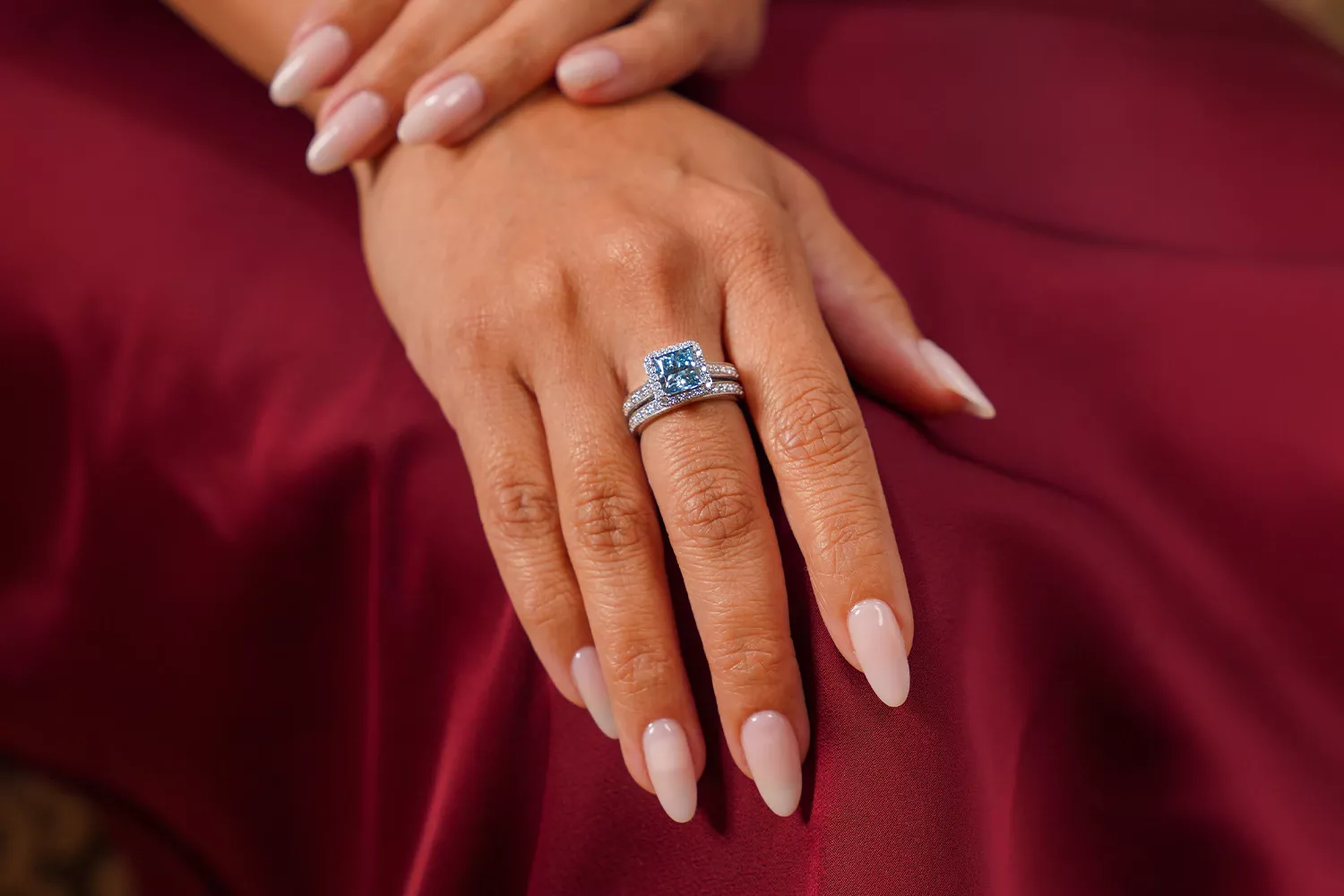
Price is where the two diverge sharply — lab-grown typically costs 40–70% less than a natural diamond of equivalent size and quality, which means the same budget buys a noticeably larger stone or frees up room for better cut and clarity. Every lab-grown stone is also conflict-free by definition, since none of it comes from a mine.
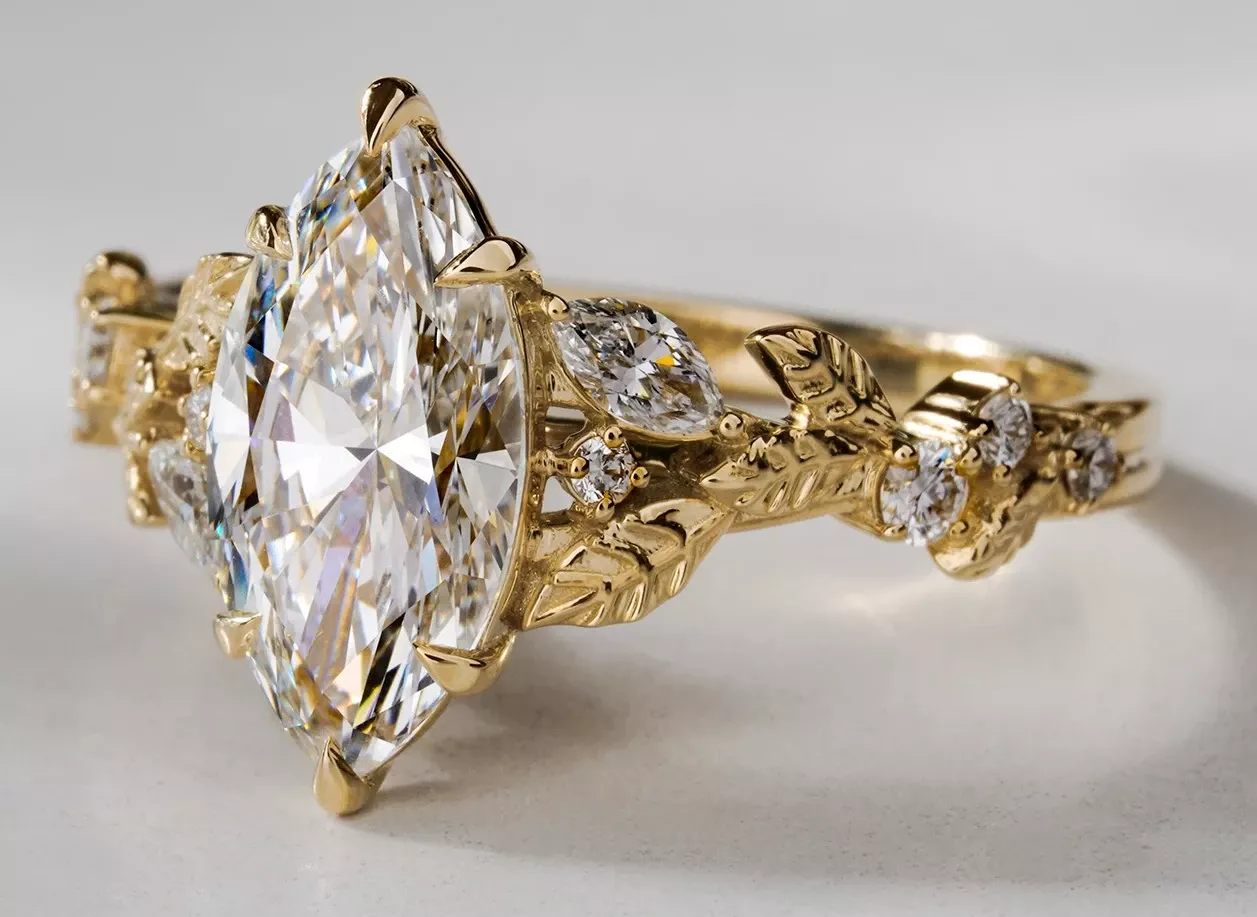
When the Diamond Capital Started Growing Diamonds Instead of Mining Them
Lab-grown diamonds didn't need Gujarat to invent a new skill set — they needed the one the region had already spent sixty years perfecting: precision cutting, faceting, and setting. That's why the same workshops that built Gujarat's reputation in natural diamonds have moved, at real speed, into lab-grown production, which now accounts for a significant and fast-growing share of the region's total output.
For a buyer, this means a lab-grown diamond bought from an Ahmedabad jeweller isn't coming from a workshop dabbling in a side trend — it's coming from a region where diamond craftsmanship, mined or man-made, is simply the local trade.
Manufacturer-Direct: The Ahmedabad Advantage Most Buyers Overlook
Lab-grown diamonds costing less than natural ones is only half the story. What often gets missed is that where you buy from can affect price almost as much as what you buy. Most retail jewellery stores don't manufacture what they sell — they buy from wholesalers and mark it up, and every layer between workshop and showroom adds cost that has nothing to do with the diamond itself.
An Ahmedabad jeweller with an in-house manufacturing facility skips those layers entirely — design, casting, stone-setting, and finishing all happen under one roof. That removes the wholesaler markup, and it means genuine customisation is possible on a single piece, not just bulk orders. Many brands that advertise "customisation" really mean choosing from a few preset variations; a true in-house manufacturer can build a one-of-one piece from a sketch at close to stock-design cost, because no minimum order quantity stands in the way — the same team that designs the piece is the one casting and setting it.
Making Charges, Decoded: What You're Actually Paying For
Few line items confuse Indian jewellery buyers more than making charges — the labour cost of turning raw gold and diamonds into a finished piece, charged separately from metal and stone value. They typically appear as a flat percentage of gold value (commonly 8–25%, depending on design complexity), a fixed rate per gram, or occasionally a flat fee. Intricate filigree or elaborate diamond-setting naturally costs more to make than a simple band — that's the real cost of craftsmanship, not a markup.
What's worth watching for isn't the charge itself, but whether it's disclosed upfront and clearly calculated. A manufacturer-direct jeweller can often offer meaningfully lower making charges than a multi-layered retail chain, simply because fewer margins sit on top of the labour cost. On a simple solitaire band, a making-charge rate of 10% versus 20% of gold value can mean a difference of several thousand rupees on an otherwise identical piece — it's worth asking any jeweller to break this number down before committing, especially on a bridal set with multiple pieces, where the rate alone can matter as much as carat weight to the final bill.
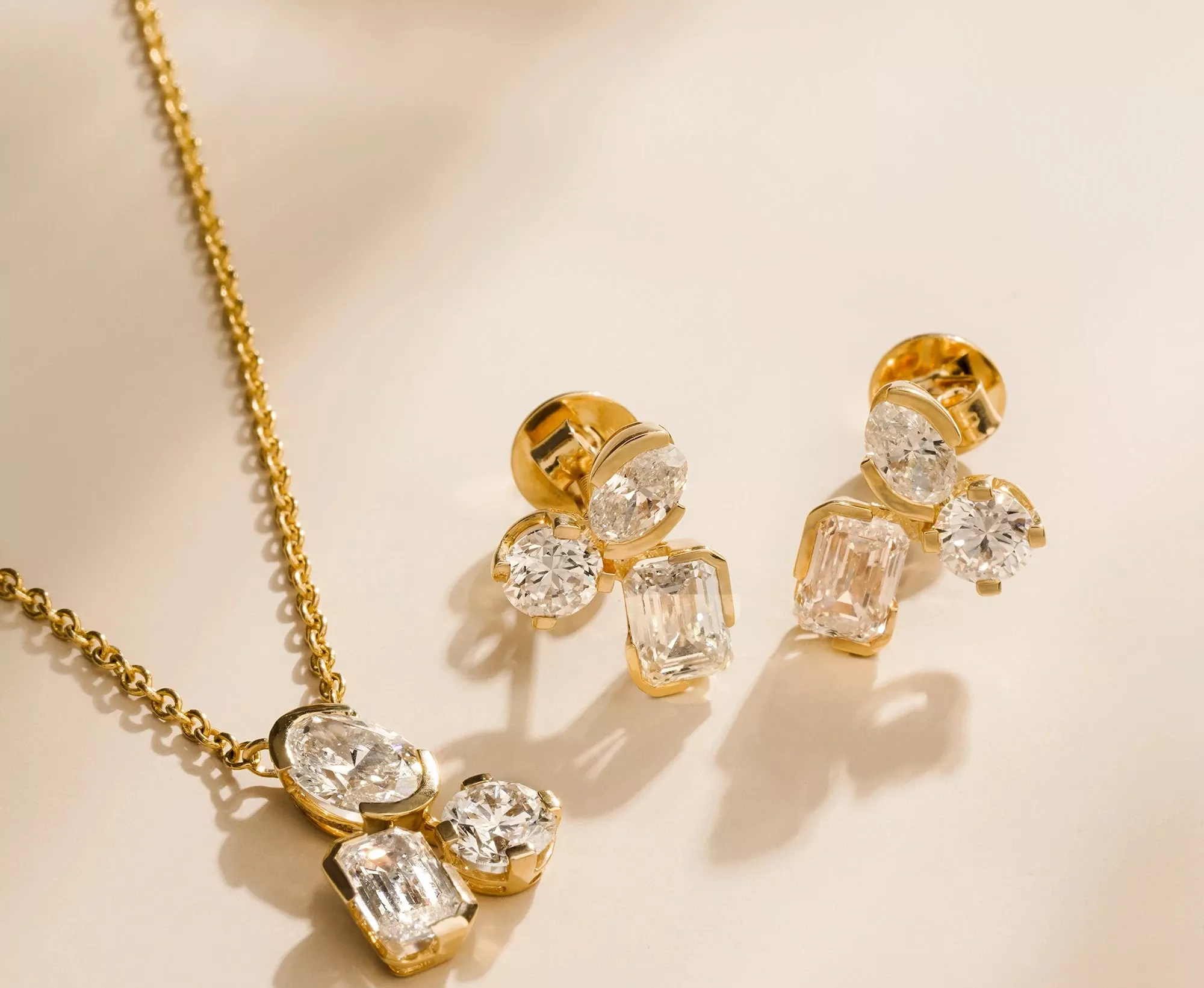
Certification and Hallmarking: The Non-Negotiables in 2026
Two credentials should be non-negotiable on any diamond jewellery purchase in India: a BIS Hallmark on the gold, certifying purity, and independent lab certification on the diamond, verifying cut, colour, clarity, and carat — the same criteria used for natural stones, since lab-grown diamonds are graded identically. Certification typically becomes standard for diamonds above a certain size threshold, commonly 0.5 carat and up for solitaires.
A genuine certificate does more than confirm authenticity — it records exact grading and often a plotted diagram of the stone's internal characteristics, effectively giving it a fingerprint that can be checked years later, for insurance, resale, or exchange. A jeweller reluctant to provide either credential is a signal to walk away, regardless of price.
The Lifetime Question: Understanding Buyback and Exchange Policies
Jewellery in India isn't just a purchase — for most families it's a long-term store of value, meant to be resized, reset, or upgraded as life changes. That makes exchange policy one of the most overlooked questions to ask before buying. Worth clarifying with any jeweller: What percentage of the diamond's current market value do you get back — not what you paid? Is gold valued at the prevailing rate on the exchange date? Is there an expiry, or does the policy genuinely hold for life? And does it allow partial upgrades, or only full exchanges?
The gap between a vague "lifetime exchange" promise and a policy with specific numbers attached is usually the gap between a policy that's actually usable and one that quietly disappoints a customer years later.
Why Custom Design Is Becoming the Norm, Not the Exception
A quiet shift has happened in Indian jewellery buying: buyers increasingly want a piece designed around them, not one they adjust their expectations around — engagement rings built from a couple's own sketch, pendants shaped around a specific stone cut they've fallen in love with. This is only possible at scale because of the manufacturing model described above. Single-piece custom work used to be reserved for ultra-high-end clients willing to pay a premium and wait months; genuine single-piece minimum order capability changes that math, bringing custom work close to stock-design cost and weeks rather than months in turnaround.
In practice, the process usually starts with a reference — a sketch, a photo, or just a description — which an in-house CAD designer turns into a 3D render for approval before any gold is cast, so changes happen on screen rather than after the piece is half-made.
Shopping for Lab-Grown Diamonds, Wherever You Are
The same short checklist applies whether you're buying in Ahmedabad, elsewhere in Gujarat, or anywhere in India:
Ask whether the jeweller manufactures in-house or sources from a third party — it affects both price and customisation flexibility.
Get making charges explained as a specific percentage or rate, not a bundled number.
Confirm BIS hallmarking on the gold and independent lab certification on the diamond.
Get the exchange policy in writing.
If you want something custom, ask directly whether single-piece customisation is genuinely possible.
None of this is specific to lab-grown diamonds — the same due diligence applies to any diamond purchase. What lab-grown jewellery adds is more room in the budget to actually apply it.
Frequently Asked Questions
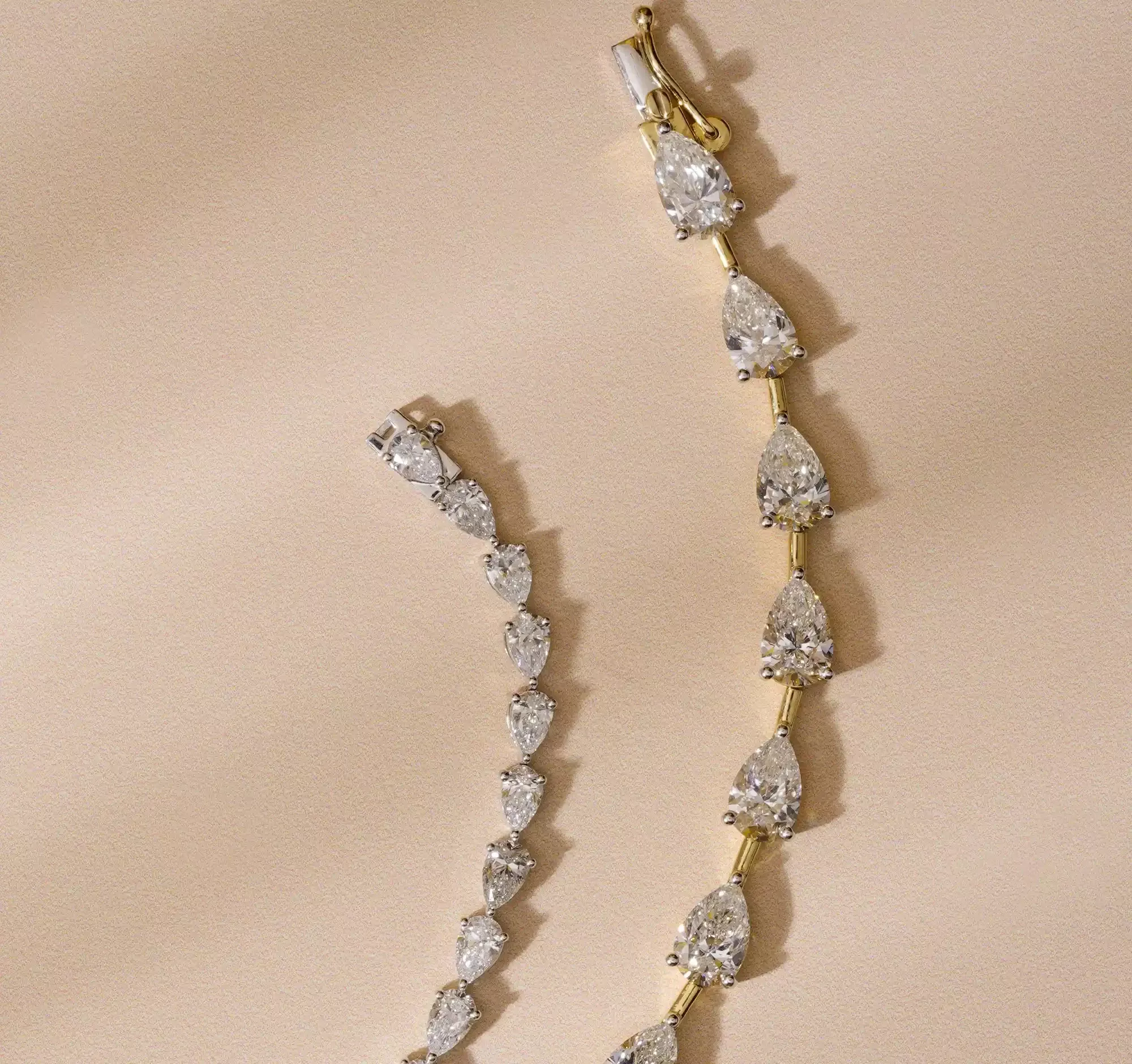
The Takeaway
Gujarat didn't become the world's diamond capital by accident, and that expertise didn't disappear when the industry began growing diamonds instead of mining them — it simply found a new material to apply sixty years of craftsmanship to. For anyone shopping for lab-grown diamond jewellery, that regional depth of skill is worth factoring in alongside price.
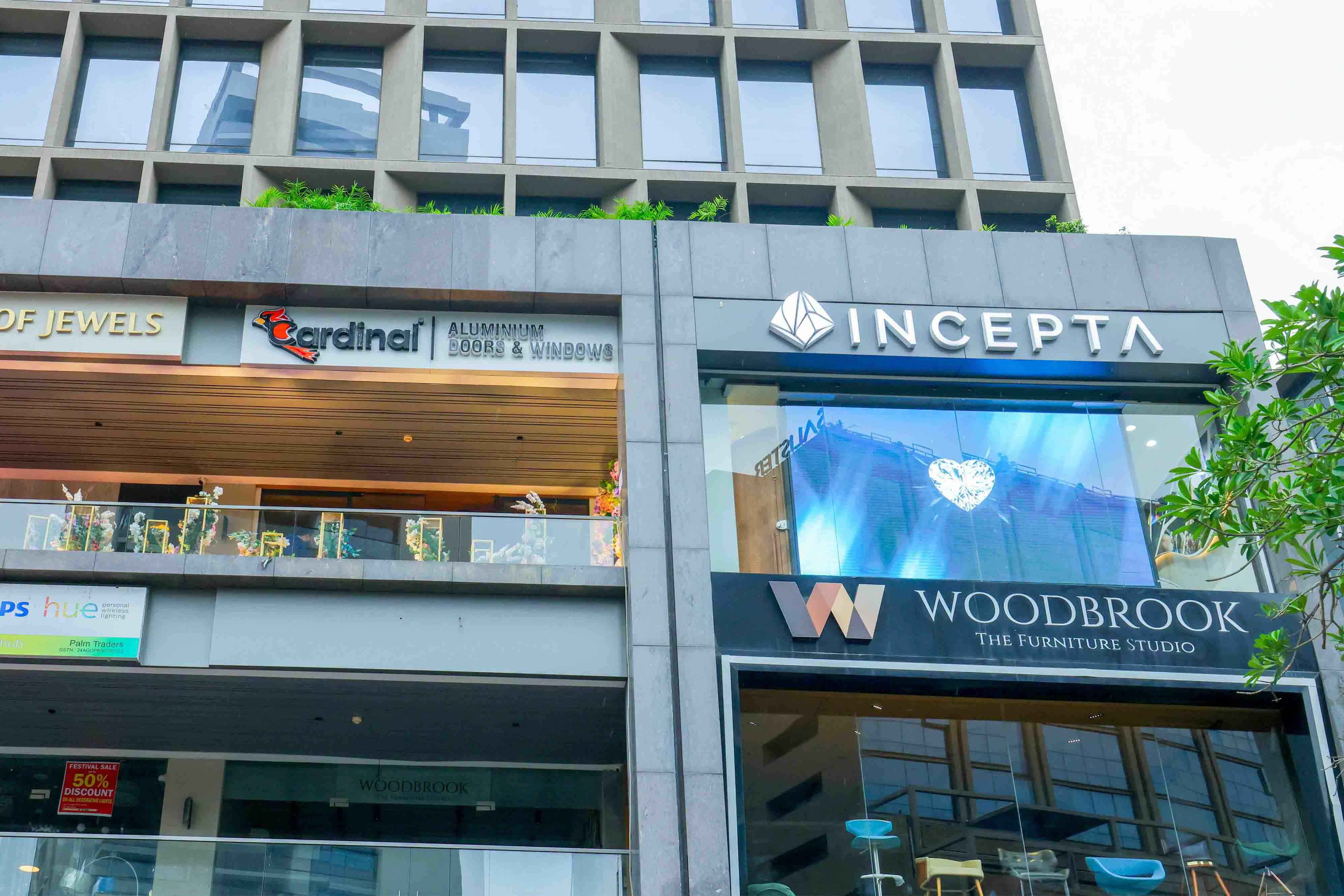
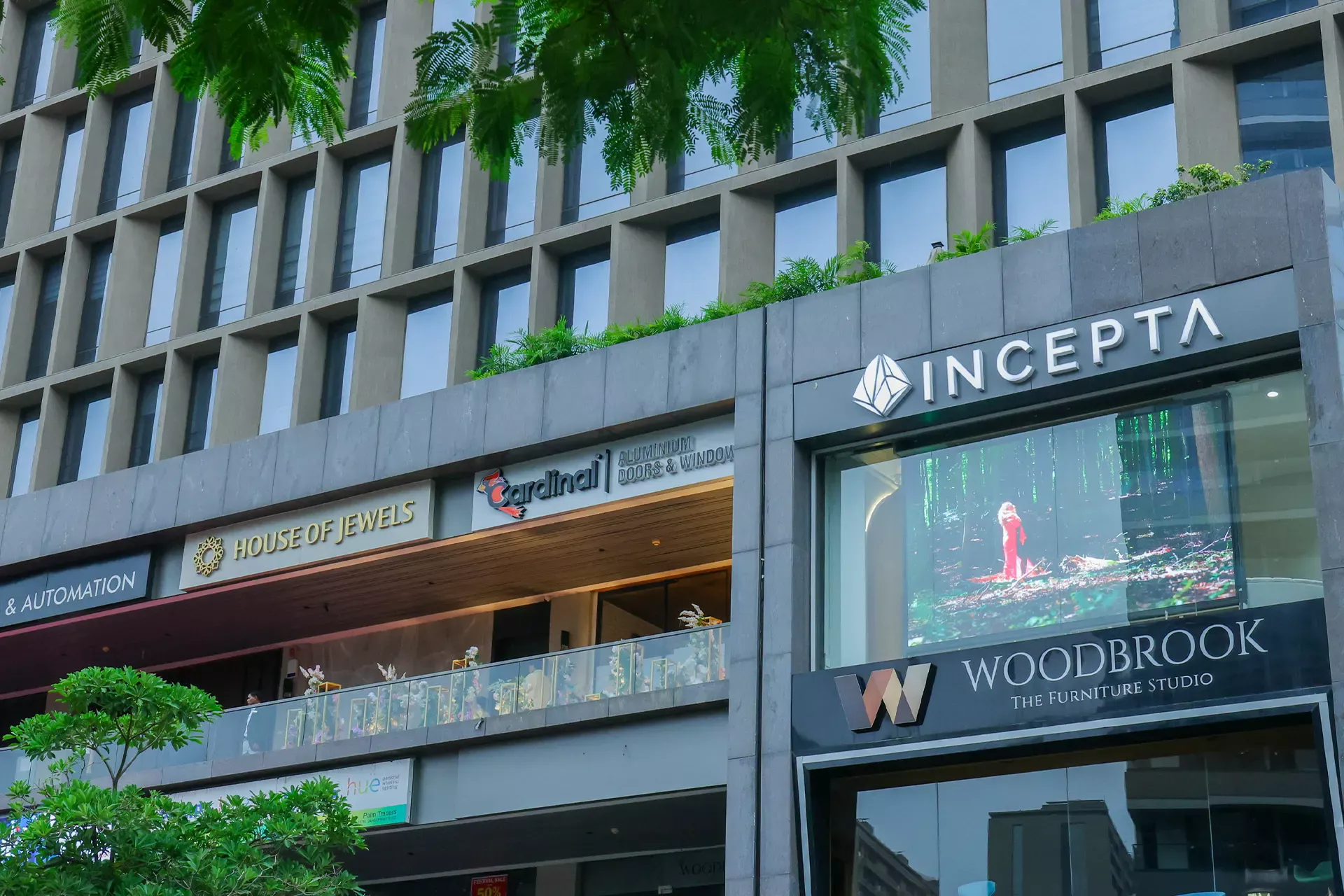
Incepta Jewels is built around exactly this model: an in-house design and manufacturing studio in Bodakdev, Ahmedabad, offering single-piece custom orders, BIS-hallmarked gold, certified conflict-free lab-grown diamonds, and a genuinely lifetime exchange policy with no fine print. Whether you're in Ahmedabad, elsewhere in Gujarat, or shopping from anywhere in India, the showroom is open for consultations, with virtual appointments available for anyone who can't visit in person.